
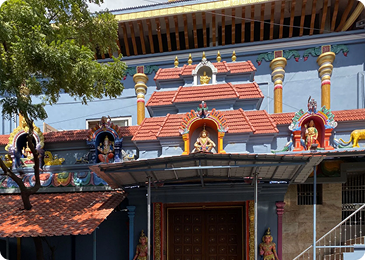
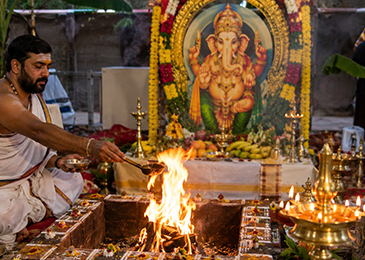
This pooja is conducted from Nirmalyam, Ganapathi homam to Athazha pooja. At the end of day, after athazha pooja, special prasadams will be given to the devotee.
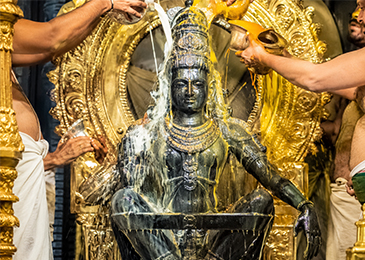
Ashtabhishekam is one of the important offerings to the main deity.
The eight items used for Ashtabhishekam at Sabarimala are : Vibhuti, Milk, Honey, Panchamrutam, Tender coconut water, Sandalwood or Chandanam, Rosewater.
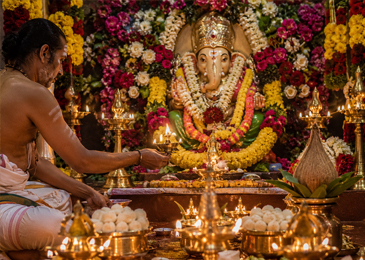
On every Sankatahara Chaturthi (fourth day after the full moon), special pooja is performed for Lord Ganesha. Devotees offer prayers for the removal of obstacles, success, and prosperity through offerings such as modakam, coconut, and durva grass.
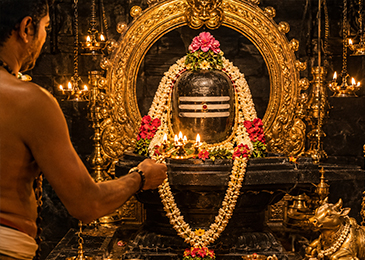
Observed twice a month on Trayodashi evenings, Pradosham Pooja is dedicated to Lord Shiva. Special abhishekam and prayers are performed during Pradosha Kalam to seek forgiveness, spiritual upliftment, and divine grace.
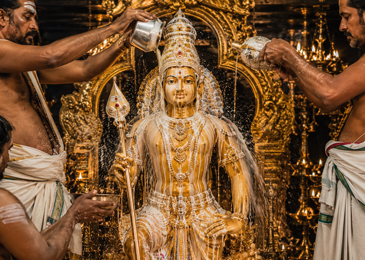
On every Karthigai star day, special abhishekam is conducted for Lord Murugan. The ritual includes sacred offerings like milk, honey, sandal paste, and flowers, invoking courage, wisdom, and success.
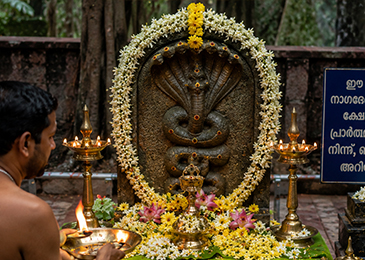
Ayilyam Pooja is conducted on Ayilyam (Ashlesha) star days for Nagaraja. Devotees perform this pooja seeking relief from Sarpa Dosha, family welfare, and overall prosperity.
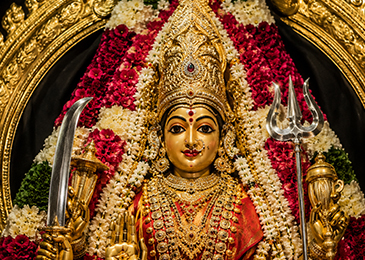
Bhagavathi Seva is performed every Tuesday and Friday for Goddess Bhagavathi. This evening ritual includes lighting of lamps, offering flowers, and devotional chanting to seek the blessings of the Divine Mother for protection and well-being.
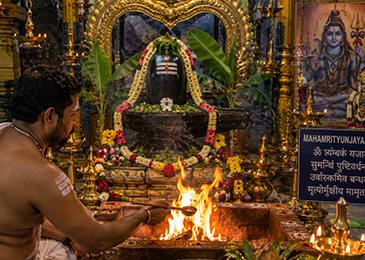
Mrityunjaya Homam is conducted on special occasions for Lord Shiva. This powerful ritual involves chanting the Maha Mrityunjaya Mantra and sacred fire offerings for health, longevity, and protection from difficulties.
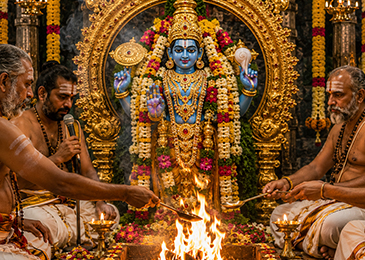
Sudarshana Homam is performed on auspicious days for Lord Vishnu. The homam invokes divine protection, removes negative energies, and promotes overall well-being and prosperity.
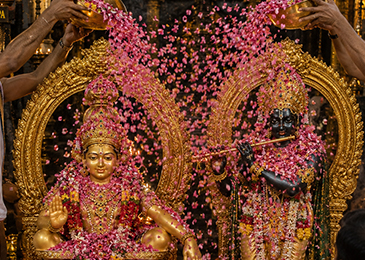
Pushpabhishekam is a sacred ritual in which flowers are ceremoniously offered over main deity. The ritual uses a variety of flowers and leaves, including lotus, chrysanthemum (samanthi), arali, tulsi, jasmine, and rose.
Devotees who wish to perform Pushpabhishekam are required to make an advance booking.
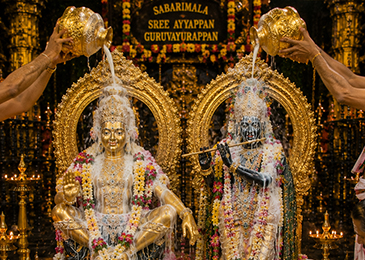
Kalabhabhishekam is an important special pooja performed to enhance and sustain the divine energy (chaithanyam) of the deity. As part of this ritual, the Tantri conducts the Kalabhakalasa Pooja annually on the Prathishta day.
The ceremony concludes with Kalabhakalasabhishekam, during which sandalwood paste is ceremoniously poured over the main deity. This is performed by the Tantri during the Ucha Pooja, following a procession around the Sreekovil carrying a silver urn filled with the sandal paste.
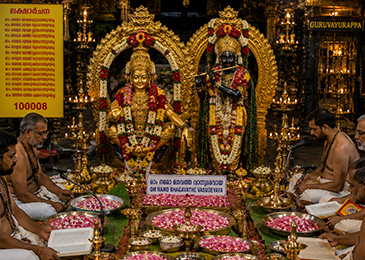
Archana refers to the chanting and glorification of the divine name. Accordingly, Laksharchana is the collective practice in which Vedic scholars repeatedly chant the Lord’s name in the form of a mantra. It is conducted every year during the Mandala Makarotsavam celebration.
As part of the ritual, the Brahmakalasam of the Laksharchana is taken in a ceremonial procession for abhishekam. At our temple, various special poojas are conducted on auspicious days and star alignments, following traditional customs. Devotees are welcome to participate and receive divine blessings.
- • Devotees are requested to book in advance for participating in special poojas and homams.
- • Timings and schedules may vary on festival days and special occasions.